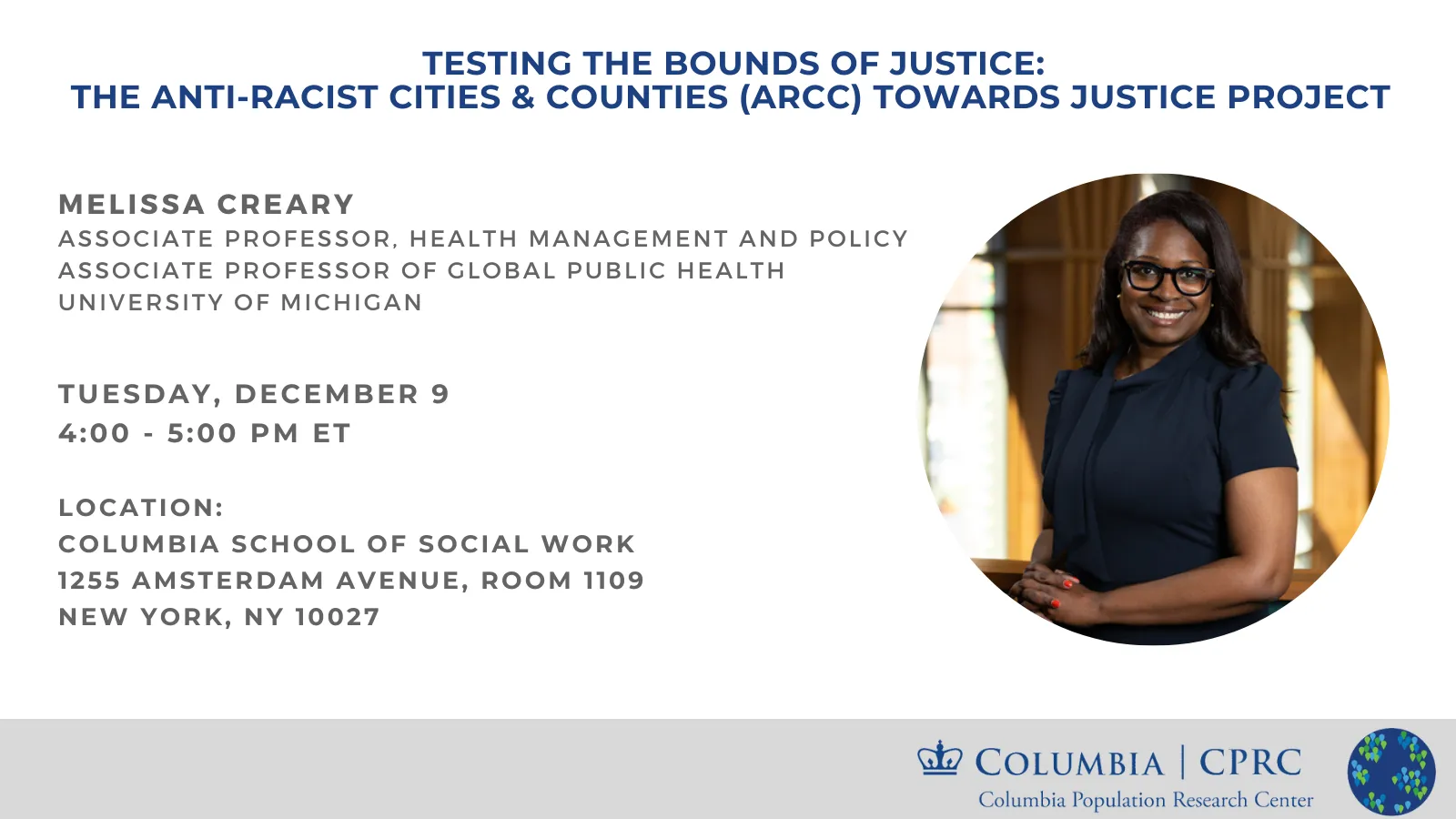
Racial health inequities persist across society with Black residents and other communities of color experiencing poor health due to embedded structural racism across society. The COVID-19 pandemic highlighted the disproportionate impact of racism on health access and outcomes for these communities. This emphasized the importance of public health and ways that the field must become explicitly anti-racist to advocate for institutional and systemic changes. In 2020-2021, in the wake of the Washtenaw County Board of Health declaring racism a public health crisis, the Washtenaw County Health Department (WCHD) and the University of Michigan School of Public Health launched the Anti-Racist Cities and Counties Toward Justice Project, forming a coalition of community members and local health department (LHD) staff to assess and improve WCHD policies to advance anti-racist practices. Through formative qualitative research from Phase 1 of this project, we engaged with staff, key informants and community leaders to understand perceptions of racism within WCHD. Through collaborative workshops with community members on WCHD’s Community Voices for Health Equity team and WCHD staff, we created a Racial Justice Impact Assessment tool to address gaps and promote anti-racism by the health department. This presentation will discuss past and current commitments and challenges to centering health equity in a LHD.
Dr. Melissa Creary is an interdisciplinary (public health, science and technology studies, medical anthropology, bioethics) social scientist who has worked with the sickle cell community as a scientist, policy maker, and public health researcher for over 20 years. Her primary research interests include how science, culture, and policy intersect, particularly around ethical, legal, and social concerns (ELSI). Her work provides critical analyses of the embodiment of policy via genetic and racial identities and has important implications for the development of a shared language for growing global research agendas, policy development, patient diagnosis, and health care provision.